Home Builder Trends: What Forces Are Shaping the Future of Home Construction?
The home construction industry is undergoing rapid transformation. Key trends are emerging, driven by technological advancements and shifting consumer preferences. Advanced home technology, green building materials, and versatile designs are driving the movement. As homebuyers prioritize energy efficiency and adaptability, builders must respond to these demands. These changes spark critical discussions about the evolution of residential design and what it means for local communities. What form will the future generation of residential spaces genuinely take?
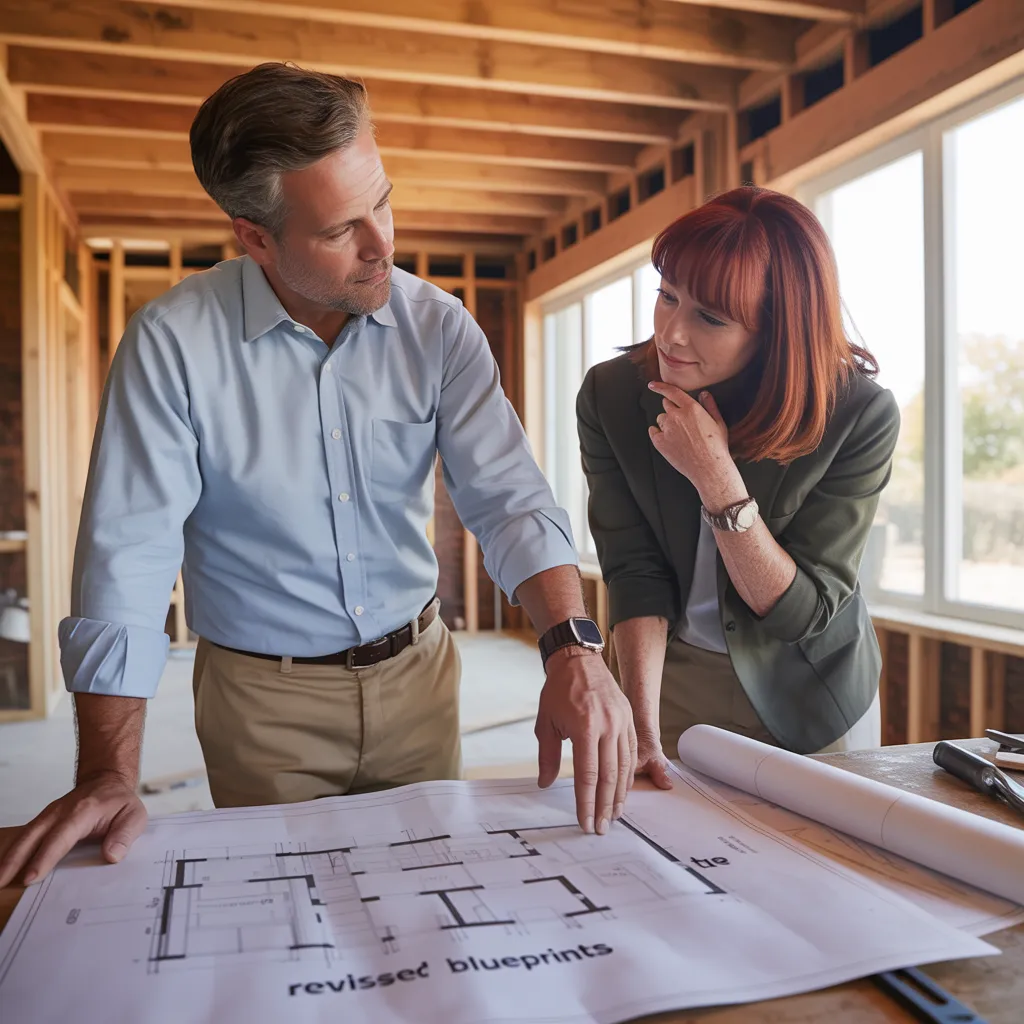
Integrating Smart Home Innovations into Construction
In recent years, a notable shift has emerged in the construction industry as residential contractors increasingly embrace smart home technology. This development highlights a expanding consumer demand for homes outfitted with advanced systems that enhance energy efficiency, convenience, and security. Technologies including smart thermostats, automated lighting, and integrated security systems are rapidly becoming the norm in new builds, permitting homeowners to control their environments remotely through dedicated mobile platforms.
Construction professionals acknowledge that incorporating smart technology increases the worth of homes but also draws in digitally minded purchasers. The adoption of Internet of Things (IoT) devices enables smooth interaction between home systems, creating a more unified residential environment. Furthermore, builders are partnering with technology firms to ensure that systems remain intuitive and aligned with future innovations. As the market evolves, the embrace of smart home technology is positioned to reshape how people live today, making it an essential factor for upcoming building developments.
Sustainable Building Materials in Home Construction Trends
The growing emphasis on smart home technology is matched by an equivalent emphasis on sustainable building materials in home construction. Residential contractors increasingly prioritize eco-friendly options, acknowledging their importance in reducing environmental impact and improving energy performance. Materials such as salvaged timber, bamboo, and recycled steel are growing in demand, reflecting a transition to resource conservation and sustainability.
Furthermore, breakthroughs in energy-efficient windows and insulation result in minimized energy expenditure, reflecting the priorities of environmentally aware property owners. The integration of eco-friendly materials not only satisfies regulatory requirements but also speaks to a audience that embraces environmental stewardship.
As buyers grow increasingly conscious of their ecological footprint, builders are responding by sourcing eco-friendly materials that cut down on waste and support healthier living conditions. This shift reflects a deeper dedication to sustainability within the building sector, proving that contemporary residences can be both innovative and eco-conscious.
Designing Flexible Floor Plans for Modern Living
As homeowners increasingly seek adaptability in their homes, developing flexible layouts has become crucial in contemporary building. These versatile floor plans are tailored to diverse lifestyles and evolving family requirements, enabling rooms to fulfill several functions. Open-concept layouts have gained popularity, enabling smooth transitions between kitchen, dining, and living zones, while simultaneously allowing residents to reorganize areas as their needs evolve.
Incorporating movable walls or multifunctional furniture additionally increases functionality, facilitating everything from residential offices to visitor accommodations. The growth of telecommuting has further impacted these plans, motivating contractors to create dedicated workspaces that can seamlessly convert to recreational zones. Furthermore, storage options that boost usability without sacrificing style are crucial in these dynamic space arrangements.
Fundamentally, the trend towards adaptable design concepts signifies a fundamental evolution in how people live, emphasizing the need for homes that remain responsive to changing needs and values.
Sustainable Energy and Environmental Certifications
The focus on energy-efficient home construction has led to the growing adoption of eco-friendly building materials and intelligent home systems. These methods not only minimize environmental dive in harm but also improve the total quality of home environments. As homeowners grow increasingly eco-aware, green certifications are gaining importance in the home buying market.
Sustainable Building Materials
With the increasing demand for sustainable construction methods, eco-conscious construction materials have established themselves as a vital factor in enhancing energy efficiency and securing green certifications. Such materials, such as recycled steel, bamboo, and salvaged wood, play a role in reducing environmental strain and cutting carbon output. Furthermore, innovations in insulation technology and energy-saving windows continue to enhance a structure's overall efficiency. Many builders are now seeking certifications such as LEED and BREEAM, which not only demonstrate their sustainability efforts but also resonate with environmentally aware purchasers. Through the use of eco-friendly materials, residential builders can develop homes that reduce environmental harm while fostering healthier environments. This transition not only satisfies regulatory requirements but also resonates with the priorities of an expanding group of property buyers.
Smart Home Technologies
A major movement in the direction of smart home technologies is revolutionizing the domain of energy efficiency and green certifications in residential construction. Such advancements allow homeowners to track and manage energy consumption through interconnected devices, improving their consumption habits. Smart thermostats, lighting systems, and appliances lead to reduced energy waste, substantially decreasing utility costs and limiting environmental impact.
In addition, numerous smart home technologies are designed to comply with green certification standards, such as Energy Star and LEED certifications. Such adherence not only boosts a home's resale value but also attracts sustainability-minded homebuyers. As construction professionals increasingly embed smart solutions into their designs, the demand for eco-friendly housing options continues to grow, creating a more sustainable tomorrow in residential building.
Multigenerational Living Spaces: Thoughtful Design for Every Generation
As the trend of multi-generational living continues to rise, home layouts are being transformed to address the varied needs of modern families. Versatile floor plans provide the flexibility needed, while dedicated retreat spaces provide personal sanctuary for each family member. Moreover, shared communal spaces foster connection and collaboration, elevating the quality of life for every generation.
Dynamic Floor Plans
Adaptable floor plans have become becoming indispensable in modern home design, particularly for accommodating multi-generational living. These versatile floor plans give families versatile spaces that can evolve to meet evolving household requirements. By incorporating features such as open living spaces, adjustable partitions, and multipurpose rooms, homeowners can create environments that foster interaction while allowing for privacy. This flexibility supports various lifestyles, allowing households to pool assets without sacrificing personal ease. Furthermore, the growth of working from home has increased the need for purposeful home office spaces within these properties. As construction professionals incorporate these concepts, the emphasis stays on creating residences that honor the varied requirements of households, guaranteeing that each individual finds an ideal space to flourish.
Exclusive Retreat Zones
Developing dedicated private spaces inside multi-generational homes facilitates a well-balanced balance between shared household experiences and personal solitude. These designated spaces serve the varying requirements of family members, creating a sanctuary for unwinding or concentrated work. Thoughtfully designed, these areas typically incorporate elements such as warm reading alcoves, private home offices, or tranquil outdoor living spaces, fostering a feeling of autonomy. Home builders are more frequently including soundproofing and adaptable layouts to ensure personal comfort and privacy. By focusing on these private retreats, families can improve their sense of unity while respecting each member's need for personal space. Above all, these planning decisions demonstrate a increasing recognition of the critical role of emotional health in shared family living arrangements.
Common Shared Areas
The layout of these spaces centers around usability and inclusivity, accommodating the differing abilities of all generations. Incorporating adaptable furniture and technology can enhance usability, making it easier for all residents to engage. As growing numbers of families choose this way of living, developers are placing greater emphasis on collaborative shared spaces, acknowledging their significance in establishing balanced living settings that strengthen bonds while preserving personal autonomy.
How Urban Growth Is Shaping Home Design?
How is contemporary home design influenced by urbanization? The process of urbanization encourages a move toward smaller, versatile living spaces, demonstrating the demand for making the most of limited urban space. As metropolitan regions continue to develop, houses are commonly built to make the most of vertical space, integrating elements such as lofted areas and built-in storage solutions. This movement emphasizes functionality, making certain that every square foot has a defined use.
In addition, cities promote the incorporation of sustainable materials and energy-efficient technologies, as homebuyers consistently demand sustainable alternatives. The growing focus on community also shapes home development, giving rise to the rise of multipurpose developments that integrate residential and commercial spaces. Open-air living zones, such as terraces and rooftop green spaces, are proving indispensable, supplying verdant areas for urban dwellers. Ultimately, city growth demands groundbreaking design concepts that accommodate the evolving lifestyles of metropolitan dwellers while fostering environmental responsibility and communal engagement.
Aesthetic Movements Defining Modern Home Development
What design trends are influencing contemporary home building today? Contemporary residential designs increasingly emphasize minimalism, blending functionality with simplicity. Sleek lines, uncluttered spaces, and understated color palettes reign supreme, cultivating an atmosphere of serenity and spaciousness. Furthermore, the incorporation of natural elements, including wood and stone, strengthens a bond with nature, mirroring an increasing desire for sustainability and environmental responsibility.
Architectural elements like oversized windows and living roofs are increasingly popular, enabling ample natural light and boosting energy conservation. Furthermore, the incorporation of smart home technology corresponds to contemporary style movements, blending visual appeal with state-of-the-art features.
Within metropolitan areas, mixed-use spaces are on the rise, blending living spaces with business and leisure zones, fostering dynamic neighborhoods. Ultimately, these aesthetic trends not only redefine the visual appeal of homes but also cater to modern living demands, establishing a foundation for sophisticated yet functional modern life.
Frequently Asked Questions
How Do Home Builder Trends Affect Property Values?
Residential construction trends greatly influence home values by boosting attractiveness through contemporary aesthetics, eco-friendly solutions, and intelligent systems. As appetite for advanced home features increases, residences that embrace these advancements often benefit from rising property valuations.
What Impact Do Government Regulations Have on Home Construction Trends?
Government regulations notably influence home construction trends by establishing zoning laws, safety standards, and sustainability requirements. These regulations tend to impact design decisions, material usage, and ultimately affect the market trends and property values in the sector.
How Is the Labor Shortage Affecting Home Building Projects?
The shortage of skilled labor significantly delays home building projects, driving up costs and restricting access to qualified workers. This deficit compels construction professionals to innovate by adopting advanced building techniques and exploring alternative workforce solutions to meet demand.
What Financing Solutions Are Available for New Home Construction?
Several financing alternatives for new home construction include construction-to-permanent loans, conventional loans, FHA loans, VA loans, and personal loans. Each alternative presents unique advantages, accommodating diverse buyer needs and financial conditions.
How Do Home Builder Trends Differ Across Regions?
Homebuilding trends fluctuate greatly by geographic area, influenced by local economies, climate, and cultural preferences. Metropolitan regions tend to focus on green building practices and compact development, while countryside communities may focus on open spaces and conventional building designs.